Research
RNA virus genomics
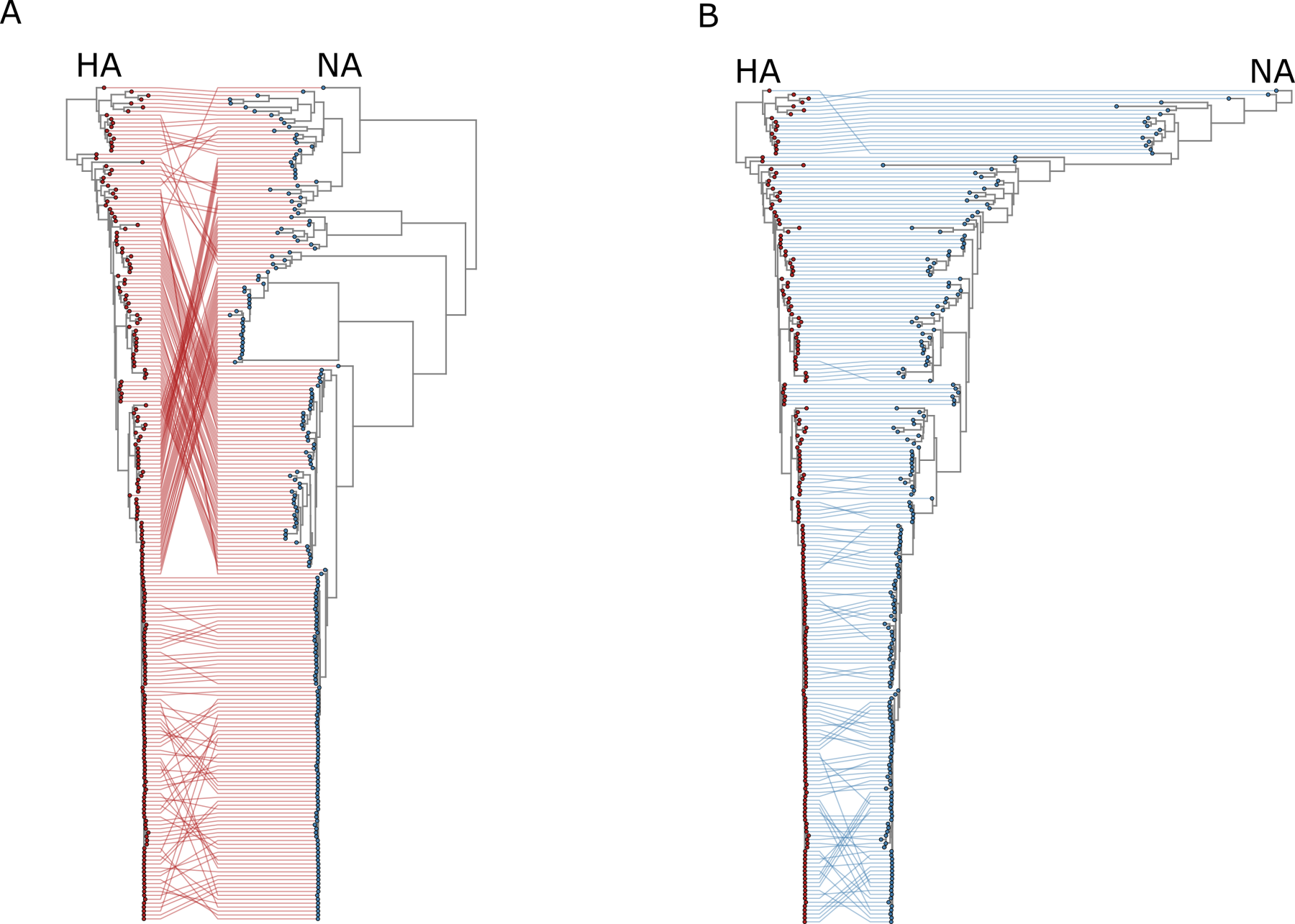
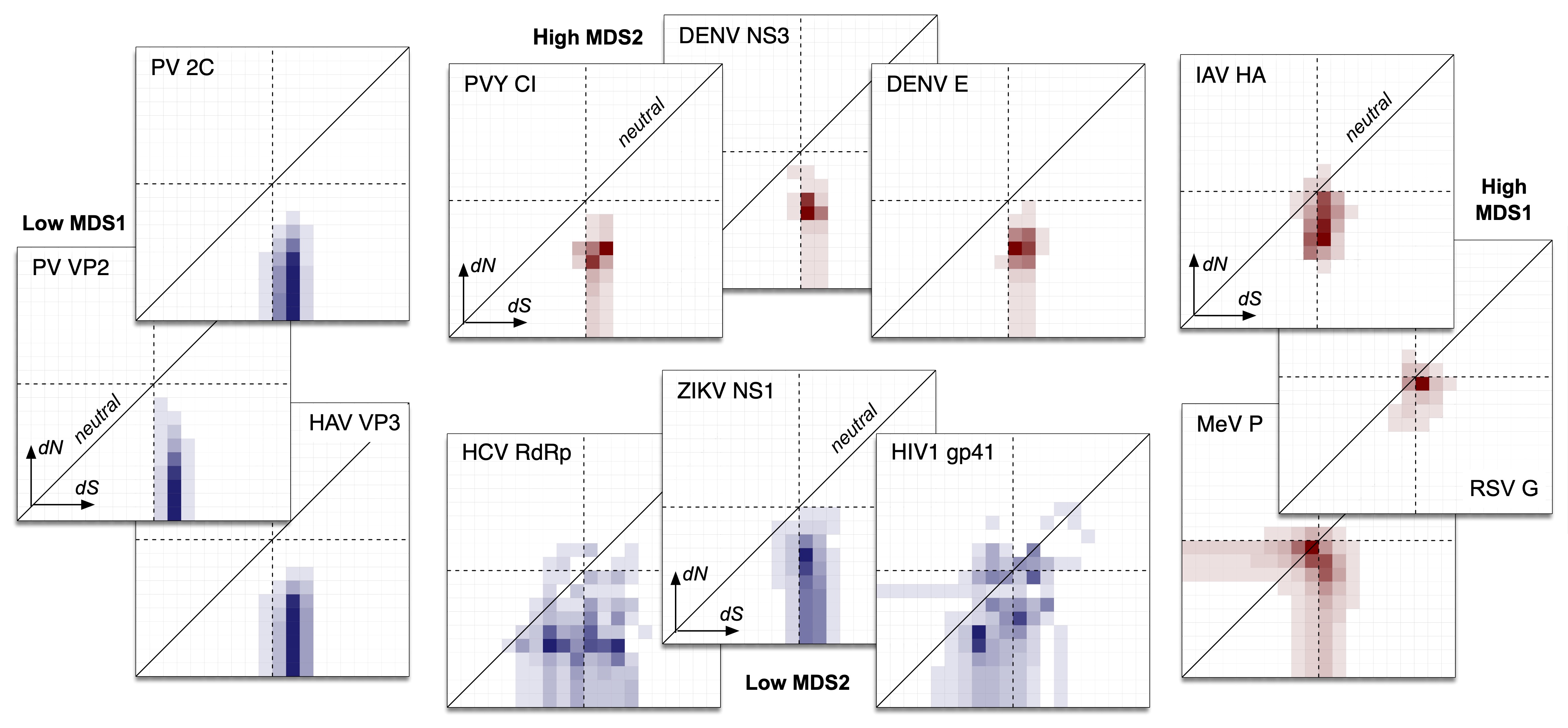
RNA viruses evolve rapidly and generate remarkable genetic diversity. My work focuses on characterizing the genomic architecture, mutation patterns, and evolutionary trajectories of RNA viruses using comparative genomics and phylogenetic analyses. These approaches help reveal mechanisms underlying viral adaptation, natural selection, host switching, and the emergence of novel viral lineages.
Metagenomics and microbiome analysis
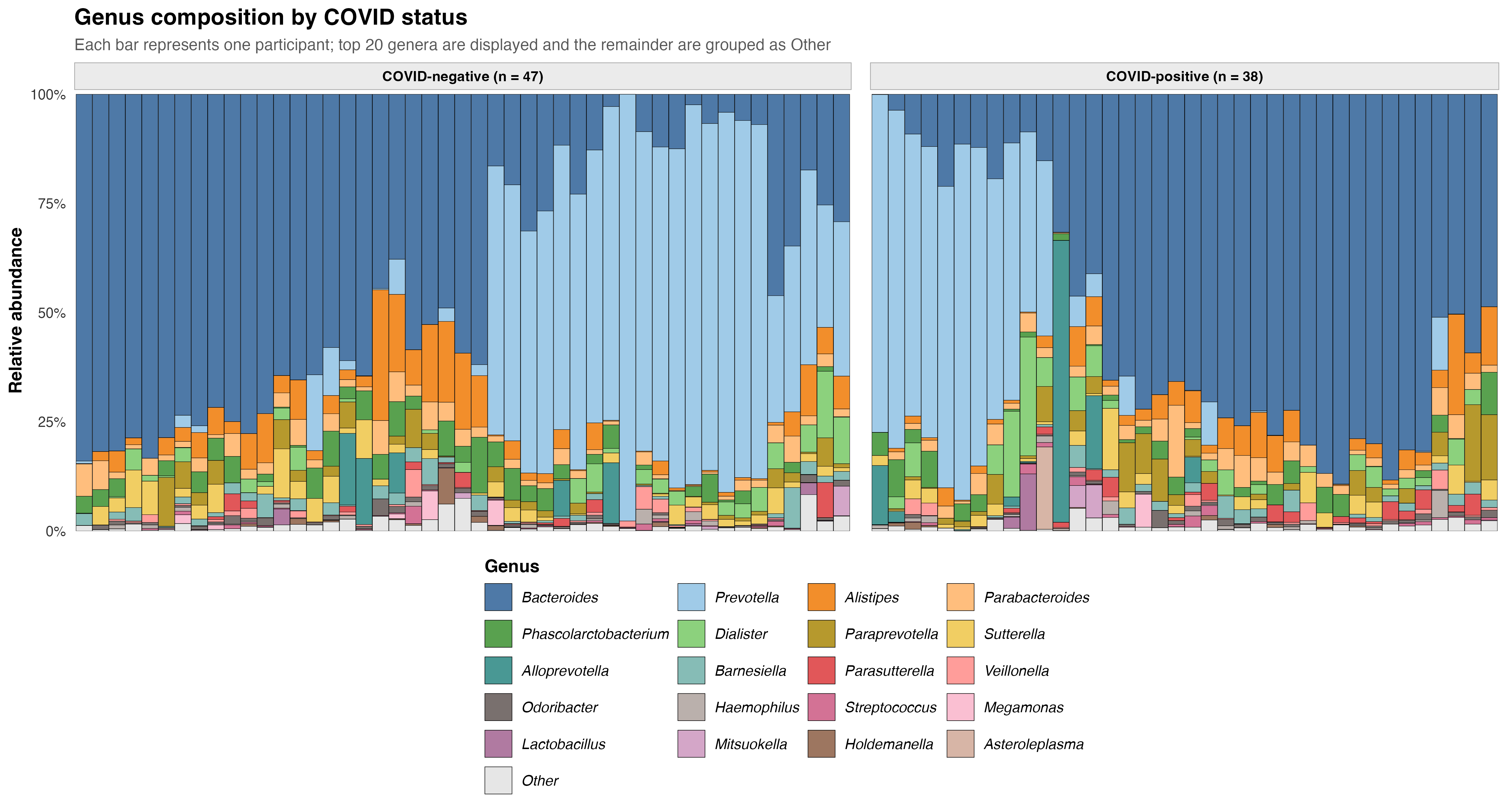
Metagenomic approaches allow the exploration of microbial and viral diversity directly from environmental samples. I apply high-throughput sequencing and bioinformatic pipelines to characterize microbiomes and viromes across diverse ecosystems. This research helps uncover hidden microbial diversity and provides insights into microbial community structure, function, and ecological interactions.
Microbial ecology in extreme environments
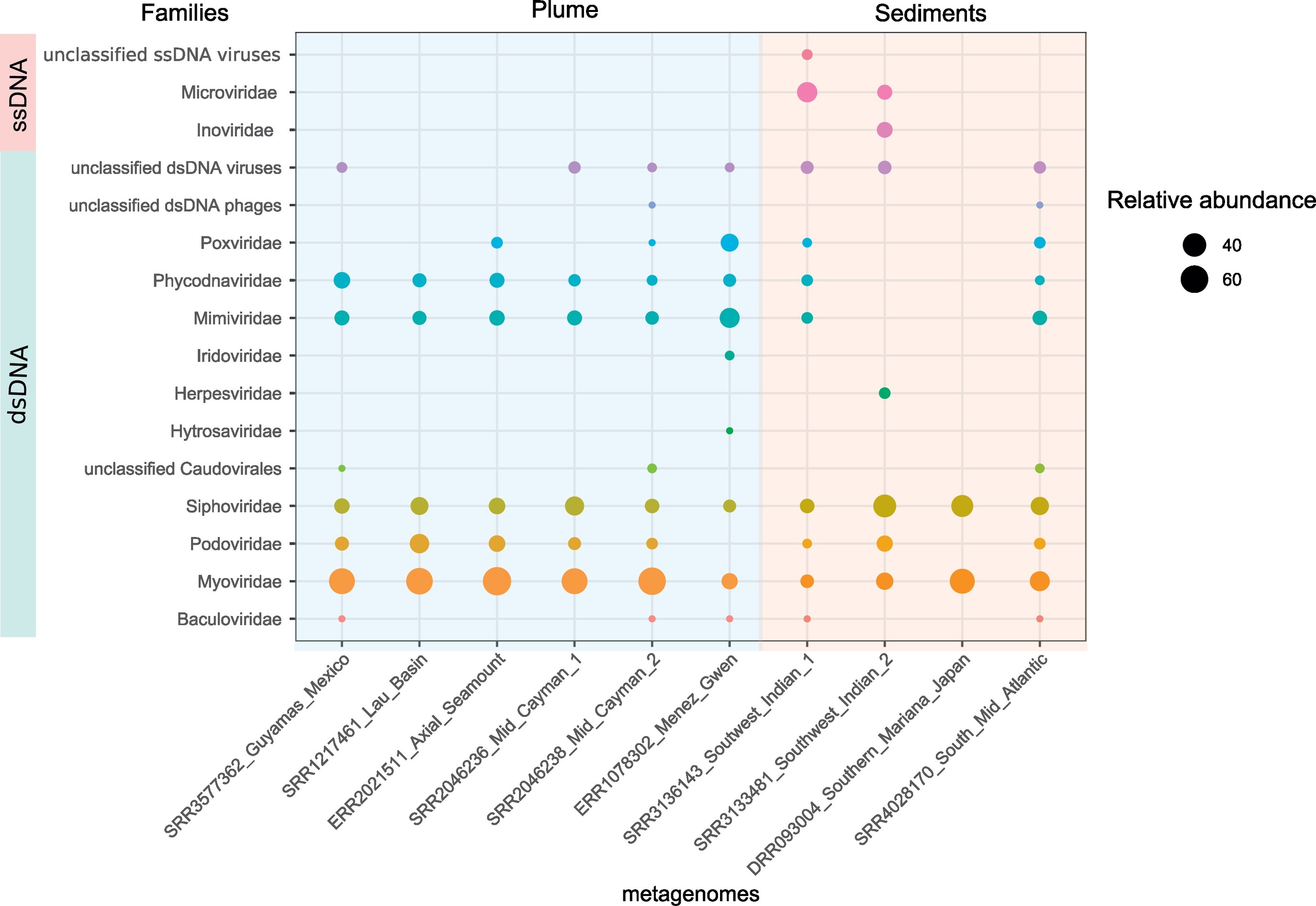
Extreme environments such as hydrothermal vents host unique microbial and viral communities adapted to harsh environmental conditions. My research explores the diversity, evolution, and ecological roles of viruses in these ecosystems using metagenomics, comparative genomics, and computational approaches. This work aims to understand virus–host interactions and the contribution of viruses to microbial adaptation and biogeochemical processes in extreme environments.
Bioinformatics and computational genomics
Modern genomics requires powerful computational approaches to analyze large biological datasets. I develop and apply bioinformatic tools for genome analysis, phylogenetics, metagenomics, and evolutionary modeling. These methods enable the discovery of novel genes, viral diversity, and evolutionary patterns across microbial and viral genomes.